Water heaters play a crucial role in our daily lives, providing hot water for showers, laundry, and dishwashing. However, like any appliance, they require regular maintenance to ensure they operate efficiently and last as long as possible. Neglect can lead to reduced performance, higher energy bills, and even costly repairs or replacements. Understanding how to maintain your water heater is essential for homeowners looking to optimize their investment.
Understanding Your Water Heater
Before diving into maintenance techniques, it's important to understand the different types of water heaters available. The two primary types are tank and tankless water heaters.
Tank Water Heaters store a predetermined amount of hot water in a large tank. They often have a lifespan of about 8 to 12 years, depending on usage and maintenance.
Tankless Water Heaters, on the other hand, heat water on demand, providing endless hot water while being more energy-efficient. These units typically last longer—up to 20 years—when properly maintained.
Regardless of the type you have, regular maintenance is key to maximizing their lifespan.
Regular Maintenance Tasks
Maintaining your water heater involves several straightforward tasks that can be performed with minimal tools and knowledge. Here are some critical steps:
1. Check the Temperature Setting
Most manufacturers recommend setting the thermostat on your water heater between 120°F and 140°F (49°C - 60°C). This range provides sufficient hot water for household needs while also preventing scalding and minimizing energy consumption.
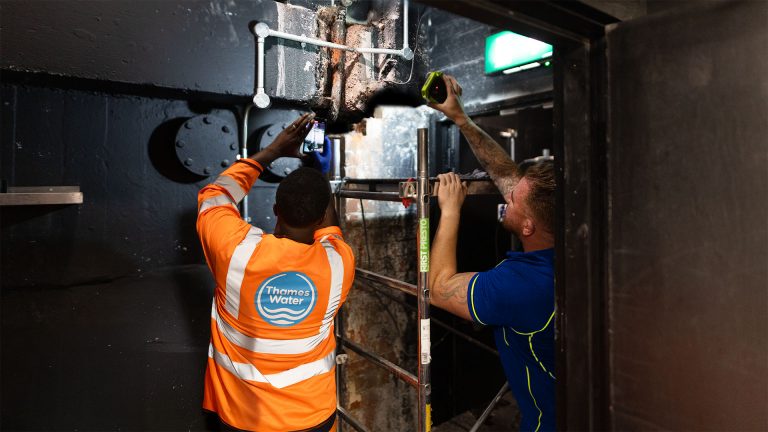
A temperature setting that is too high can cause excessive energy use and may even damage appliances connected to hot water lines due to overheating.
2. Inspect the Anode Rod
The anode rod is a vital component in prolonging the life of your tank-style water heater. It's designed to attract corrosive elements in the tank's water supply, thereby protecting the tank itself from rusting.
You should inspect this rod every couple of years. If it’s significantly corroded (less professional plumbing installation than half its original size), it’s time for replacement. Regularly replacing the anode rod can extend your water heater's lifespan by several years.
3. Flush the Tank
Over time, sediment can build up at the bottom of your water heater tank due to minerals present in your municipal or well water supply. This sediment can reduce heating efficiency and lead to premature failure.
Flushing your tank annually helps remove sediment buildup. To do this effectively:
- Turn off the power supply (electric) or gas supply (for gas models). Connect a garden hose to the drain valve located near the bottom of the tank. Place the other end of the hose in a suitable drain or outside. Open the drain valve and let it run until clear water flows out. Close the valve once complete and refill your tank before restoring power or gas.
4. Insulate Hot Water Pipes
Insulating exposed hot water pipes can enhance efficiency by reducing heat loss as hot water travels from your heater through plumbing into sinks or baths. Pipe insulation sleeves are inexpensive and easy to install.
This small effort not only conserves energy but also helps maintain hotter temperatures when you need them most.
5. Monitor for Leaks
Regularly check around your unit for signs of leaks or moisture accumulation, which could indicate issues such as deteriorating seals or connections needing repair. If you notice any puddles or wet spots around pipes leading from or connecting to your unit, it may be time for professional plumbing repair services.
Professional Maintenance Services
While many maintenance tasks can be accomplished by homeowners themselves, certain aspects are best left to licensed plumbers who specialize in plumbing installation and repair services:
Annual Inspection: Schedule an annual inspection with a qualified plumber who can assess not just your heater but also the overall plumbing system within your home.
Complex Repairs: Should you experience any significant issues such as strange noises coming from your heater or persistent leaks that you cannot resolve yourself, contact an emergency plumbing service right away.
Replacement: If your unit is nearing its expected lifespan or showing signs of severe corrosion or inefficiency despite regular maintenance efforts, consider contacting a licensed plumber for advice on replacement options tailored to meet both budgetary constraints and family needs.
Signs That Your Water Heater Needs Attention
Understanding when something is amiss with your water heater can save you from major inconveniences down the line:
- Inconsistent Water Temperature: A spike in temperature fluctuations may indicate malfunctioning thermostats or heating elements. Discolored Water: Rusty or discolored output suggests corrosion inside your unit; immediate action is required before leaks develop further. Unusual Noises: Sounds like popping or rumbling during operation often point toward sediment buildup requiring urgent attention. Water Pooling Around Base: If you see evidence of pooling near where it sits in position this may be indicative of significant leakage either from fittings/pipes leading into/outside device itself needing prompt evaluation by professionals skilled at leak repairs.
The Importance of Emergency Plumbing Services
Even with diligent maintenance practices regularly performed at home emergencies happen unexpectedly—an overflowing toilet late at night could turn disastrous without timely intervention from a reliable emergency plumber offering 24/7 assistance whenever needed!
When searching for local providers look out specifically for those boasting certifications along with positive customer reviews showcasing expertise across various aspects including drain cleaning/sewer cleaning/rooter services/clog removal etc., ensuring peace-of-mind knowing help will arrive promptly should disaster strike!
Energy Efficiency Considerations
One often-overlooked aspect concerning maintaining longevity involves energy efficiency! Even minor adjustments could yield substantial savings over time so consider these strategies:
1) Upgrade older appliances using ENERGY STAR-rated models designed specifically conserve resources while delivering maximum performance benefits;
2) Regularly review utility bills paying close attention spikes indicating potential inefficiencies warranting investigation;
3) Explore alternative heating sources such solar systems if feasible based upon location/situation allowing access renewable resources significantly reducing carbon footprints alongside lowering monthly expenses!
By taking these factors into consideration homeowners not only protect investments made into equipment but also create sustainable living environments benefiting families financially environmentally alike!
Conclusion
A well-maintained hot-water system enhances comfort levels throughout homes while contributing positively towards overall household efficiency! By performing routine checks along with strategic upgrades property owners safeguard investments while enjoying uninterrupted comforts brought forth modern conveniences today’s technology offers us! Whether facing minor repairs larger replacements don’t hesitate reach out trusted professionals knowledgeable tackling various problems affecting residential plumbing systems ensuring seamless operations no matter what obstacles arise down road ahead!